Discounts have been part of ecommerce for years, but that doesn’t mean they have become less useful. Customers still compare prices, browse different stores, save products for later, and often leave a website without completing their purchase. In many cases, they aren’t saying no to the product. They simply haven’t found a strong enough reason to buy right now.
That’s where a well-planned coupon can make a difference.
A coupon does more than reduce the amount a customer pays. The right offer can remove some of the hesitation around a purchase, create a genuine reason to act, reward an existing customer, or encourage someone to increase the value of their cart. For example, a customer who is unsure about placing a first order may respond to 10% Off Your First Order, while someone with a ₹2,100 cart might be more interested in Free Shipping on Orders Above ₹2,500.
The important part is that not every customer has the same reason for delaying a purchase. A first-time visitor may need reassurance before trying a new store. An existing customer may respond better to a VIP offer. Someone who has already added products to their cart may simply need a small incentive to complete checkout.
This is why using the same discount for everyone isn’t always the best approach. The more closely a coupon matches the behavior you want to encourage, the more useful that promotion becomes.
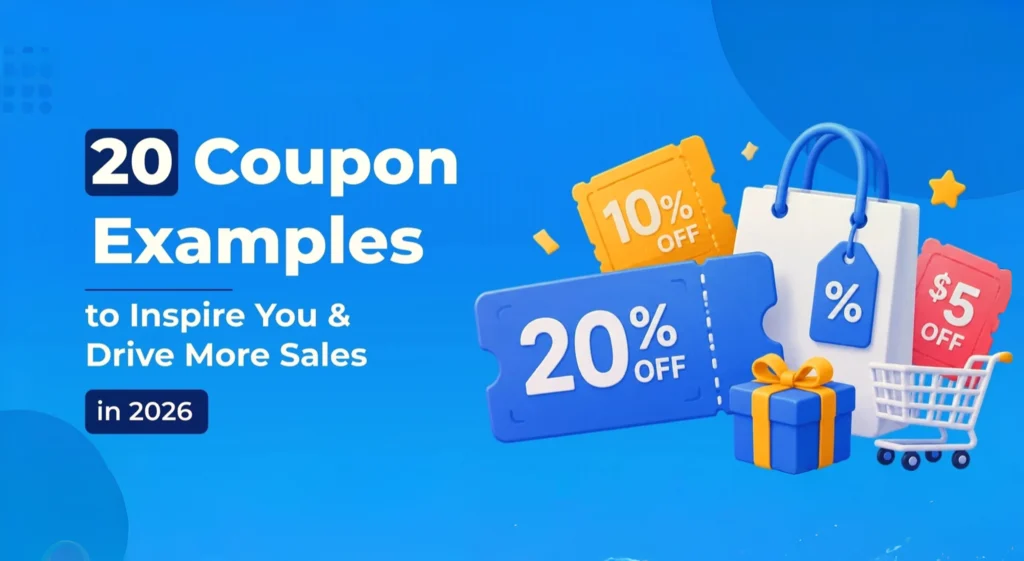
In this guide, we’ll look at 20 practical coupon examples that ecommerce and WooCommerce stores can use for different situations, from first-order discounts and free shipping to cart recovery, referral offers, bundle discounts, seasonal promotions, and mystery coupons. Along the way, we’ll also look at when each type of coupon makes sense and how you can adapt these ideas to your own store.
Why Coupon Marketing Still Works in 2026
Ecommerce marketing changes quickly. New channels, advertising formats, AI tools, influencer campaigns, short-form videos, and personalization strategies continue to shape how businesses attract customers. Yet coupons remain relevant because the basic problem they address hasn’t changed: customers often need a little more confidence before they decide to buy.
Most online purchases involve some level of hesitation. A shopper may like a product but still wonder whether the price is right, whether they should compare another store, or whether they should wait before placing the order. A well-timed coupon can reduce some of that hesitation by giving the customer an immediate reason to move forward.
Consider someone shopping for a new backpack on a WooCommerce store. They have already compared several products and have finally found one they like. The design looks good, the features match what they need, and the reviews are positive. Even then, they may decide to leave the website and think about it.
Now imagine that a popup appears offering 10% Off Your First Order.
The discount may not completely change the economics of the purchase. What changes is the customer’s perception of the decision. Instead of simply thinking about whether to buy, they now have a specific incentive to act while the offer is available.
That is the real value of coupon marketing. It isn’t simply about making products cheaper. It’s about encouraging a specific action at a particular point in the customer journey.
Depending on the business, that action could be completing a first purchase, increasing the value of a cart, returning for another order, finishing an abandoned checkout, trying a new product, or joining an email list.
Once coupons are viewed this way, they become more than promotional codes. They become tools that can be used to support different stages of the buying process.
How to Choose the Right Coupon Strategy
One of the easiest mistakes to make with coupon marketing is assuming that every visitor should receive the same offer.
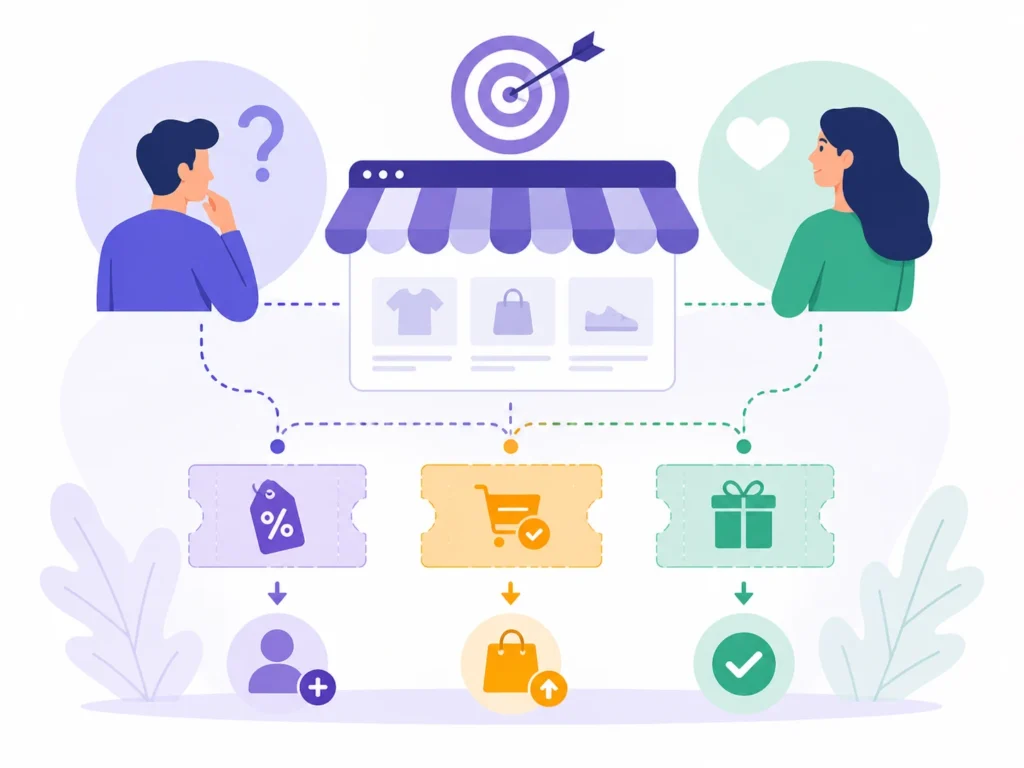
Consider two people visiting the same online store. One is discovering the brand for the first time. They are looking at products, checking reviews, comparing prices, and deciding whether they can trust the business. The other customer has already purchased three times during the past year and knows exactly what the store offers.
Their situations are completely different, so there is little reason to expect the same coupon to have the same impact on both of them.
A first-time visitor may respond well to a first-order discount because it reduces some of the hesitation associated with trying a new store. A returning customer may be more interested in a loyalty or VIP offer that recognizes their relationship with the brand.
The same principle applies to shoppers who have already added products to their cart. If the objective is to recover an abandoning visitor, an exit-intent coupon may make more sense than a general store-wide promotion. If the goal is to increase average order value, a spend-and-save offer can encourage the shopper to add another product before checking out.
For example, a store could use Get 10% Off Your First Order for new visitors, Complete Your Order Today and Save 10% for cart recovery, and Spend ₹3,000 and Save ₹300 when the focus is increasing order value.
The important question, therefore, isn’t simply “What discount should we offer?” It is “What behavior are we trying to encourage?”
Once that is clear, choosing the right coupon becomes much easier. Successful ecommerce stores don’t necessarily depend on one promotion throughout the year. They use different coupon types for different customer situations and different stages of the buying journey.
1. The First-Order Discount Coupon
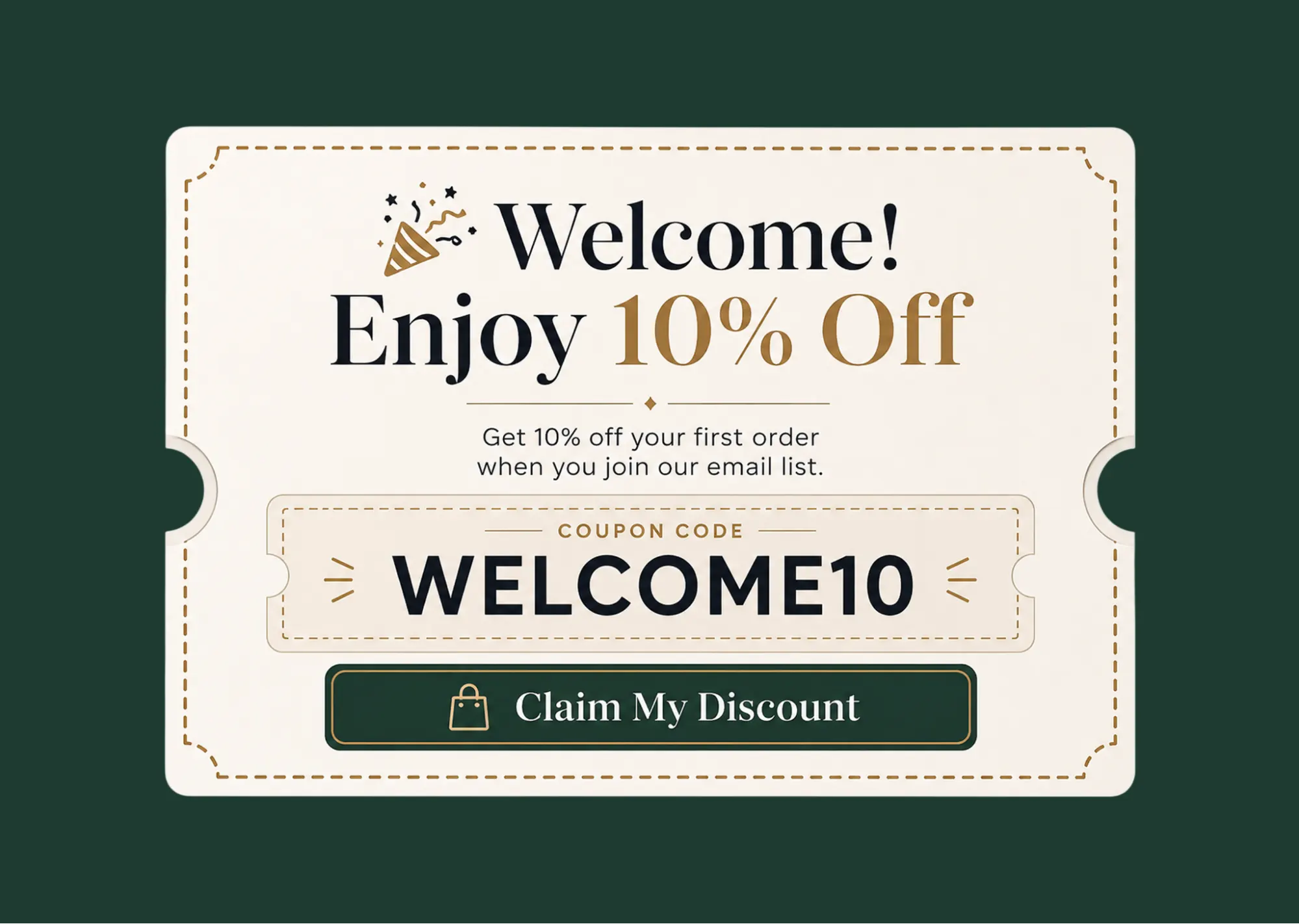
The first-order discount is one of the most familiar coupon strategies in ecommerce, and it remains popular because it addresses a very practical problem: a new visitor doesn’t know your brand yet.
Someone visiting your store for the first time has no previous experience with your products or service. They may like what they see, but they can still hesitate before placing an order. A small incentive can make that first decision feel easier.
For example, a WooCommerce store could offer:
Get 10% Off Your First Order When You Join Our Email List
This type of offer works particularly well when the discount is connected to email signup. Instead of simply giving away a coupon to every visitor, the store receives an email address in exchange for the offer. The customer gets an immediate benefit, while the business gains an opportunity to continue the relationship even if the purchase doesn’t happen immediately.
This makes the strategy useful for both conversion and list building. A welcome popup is a natural place to present the offer because the visitor sees the incentive shortly after arriving at the store, while they are still discovering the brand.
For WooCommerce stores trying to turn first-time visitors into subscribers and potential customers, a first-order coupon is one of the simplest strategies to test.
2. The Free Shipping Coupon
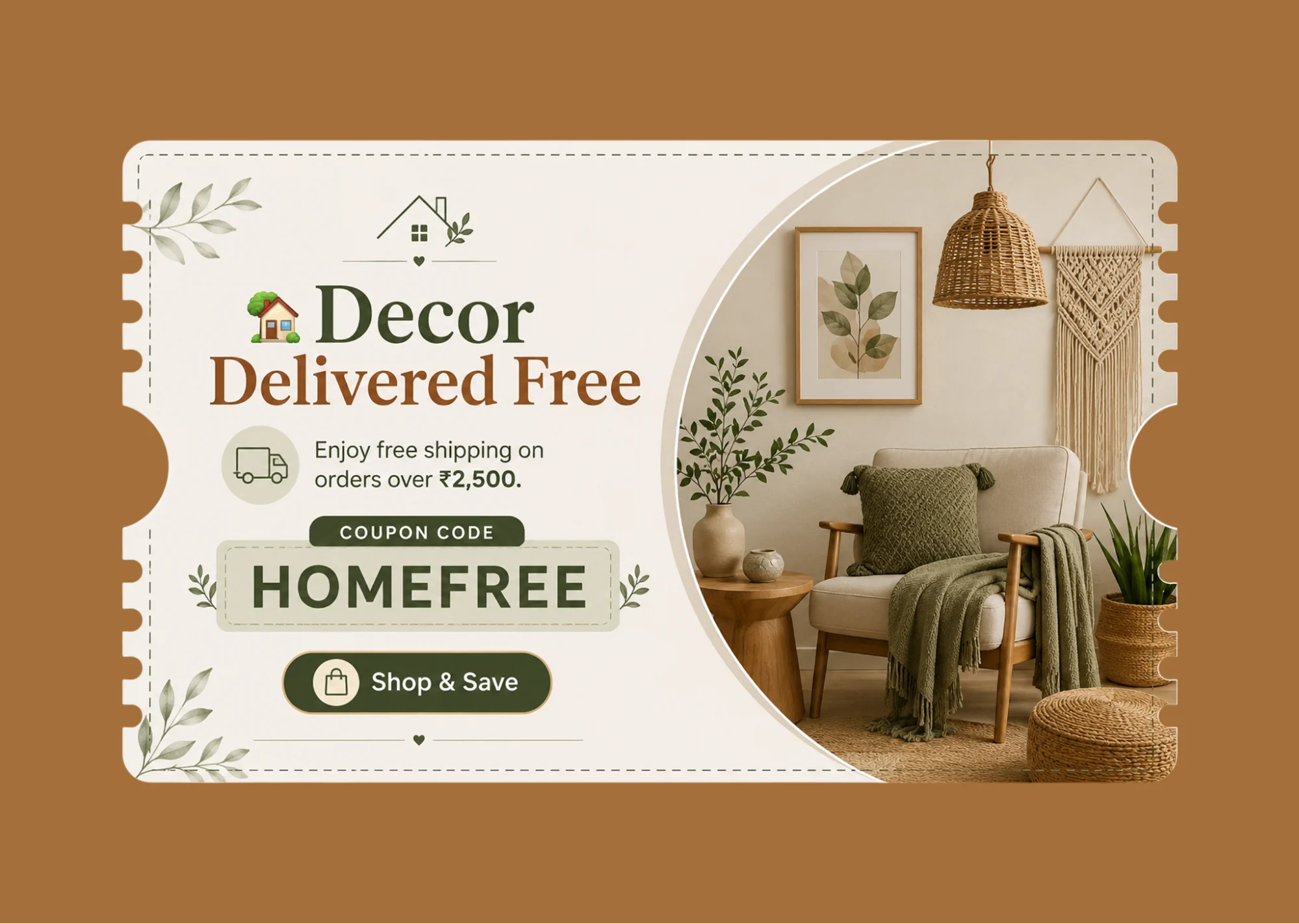
Shipping costs can sometimes become the final obstacle between a customer and a completed purchase. A shopper may spend time comparing products, add everything they want to the cart, and feel comfortable with the product price. The hesitation begins when an unexpected shipping charge appears at checkout.
This is why free shipping can be a useful alternative to a traditional percentage discount.
For example, instead of offering:
10% Off Your Order
a store could offer:
Free Shipping on Orders Above ₹2,500
The second offer does more than remove a shipping charge. It can also encourage customers to increase their cart value to reach the minimum required for free delivery.
Imagine a customer who has ₹2,100 worth of products in their cart. Rather than paying for shipping, they may decide to add another item and reach ₹2,500. The store gets a larger order, while the customer feels they have unlocked a useful benefit.
Free shipping coupons can therefore be useful when the goal is to reduce purchase hesitation while also encouraging a higher order value. They can be applied to seasonal campaigns, product launches, or cart recovery efforts depending on the situation.
3. The Buy One, Get One Free Coupon
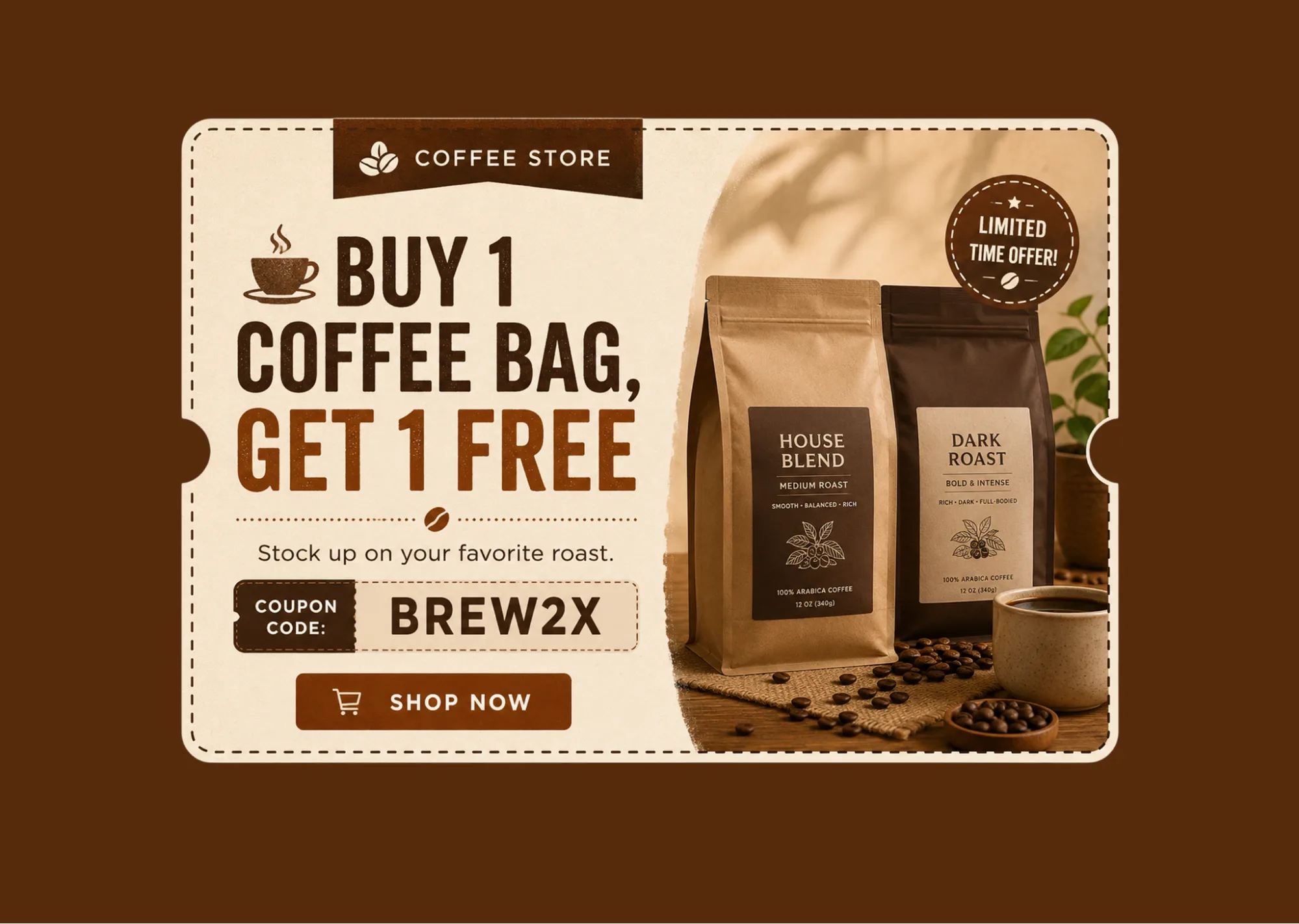
Buy One, Get One Free, commonly known as BOGO, takes a slightly different approach to discounting. Instead of telling customers that the price has been reduced by a certain percentage, the promotion gives them an additional product as part of the purchase.
For example:
Buy One Face Wash, Get One Free
The appeal is easy to understand. Customers aren’t necessarily thinking about the percentage they’re saving; they’re thinking about receiving an additional product at no extra cost.
BOGO offers can be particularly useful for products that customers purchase regularly, including cosmetics, snacks, household essentials, and other repeat-purchase items. Receiving another unit of something they already use can feel more valuable than a conventional discount.
This type of promotion can also help businesses move excess inventory without presenting the campaign as a clearance sale. Instead of focusing attention on a reduced price, the store positions the additional product as part of the customer benefit.
For WooCommerce stores that want to increase the number of units sold while maintaining the perceived value of their products, a carefully planned BOGO campaign can be a useful alternative to a standard percentage discount.
4. The Percentage Discount Coupon
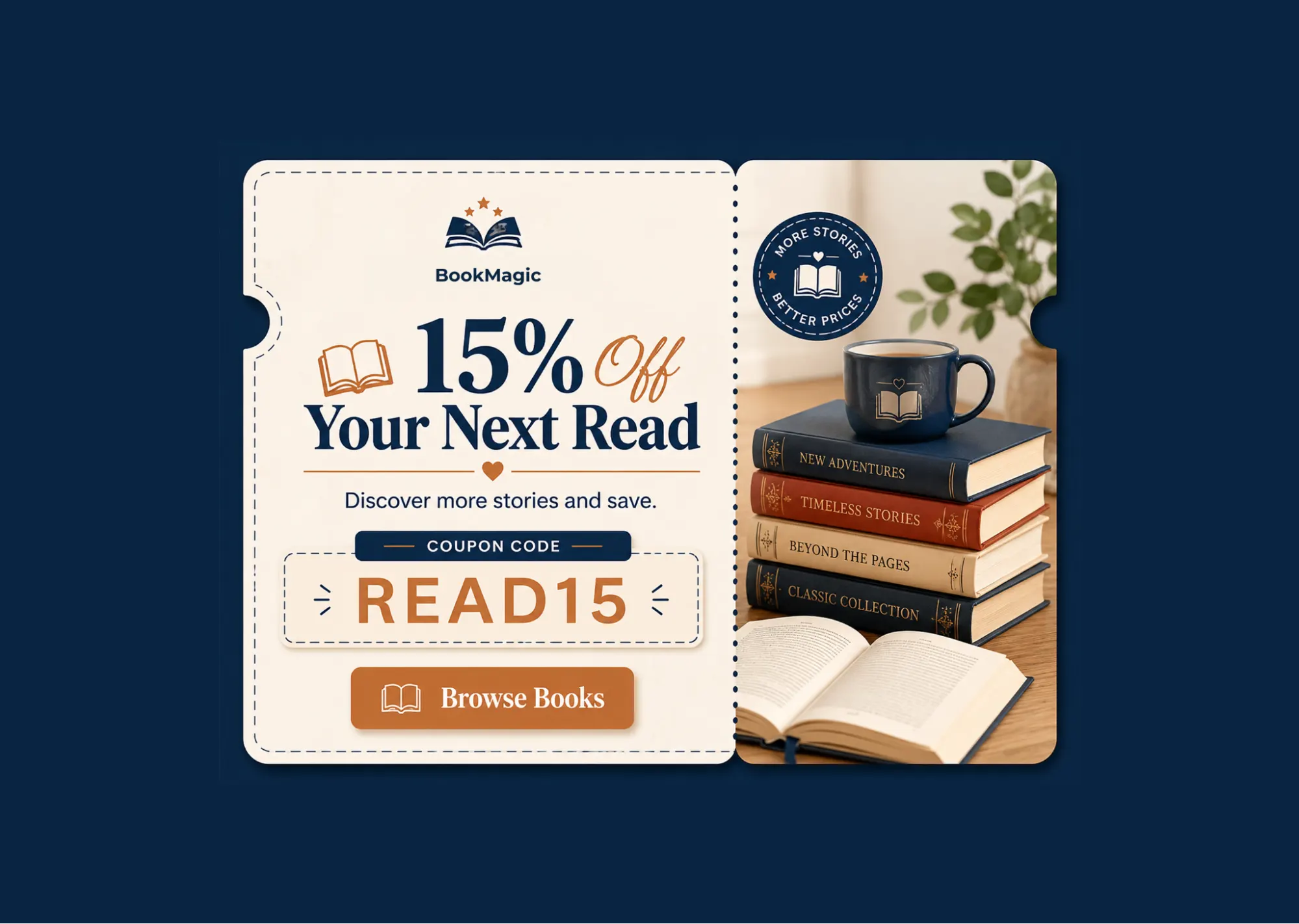
Percentage discounts remain one of the easiest coupon offers for customers to understand. Whether the promotion is 10% Off, 15% Off, 20% Off, or 30% Off, the customer can immediately see what kind of saving they are being offered.
That simplicity is one of the main reasons percentage coupons continue to be widely used. They can work across different product categories and can be adapted for different campaigns depending on the store’s margins and objectives.
The important part is choosing a discount that makes sense for the business. A luxury fashion brand, for example, may not need a very large discount if customers are already strongly motivated by the brand and its products. A highly competitive category may require a stronger incentive to stand out.
There is also a downside to relying too heavily on large percentage discounts. If customers see 30% or 40% off promotions every few weeks, they may start waiting for the next sale instead of buying at the regular price. Over time, frequent discounting can make the full-price product feel less attractive.
For that reason, percentage discounts are usually more useful when they are connected to a specific campaign, product launch, seasonal event, or genuine promotional opportunity rather than becoming a permanent part of the store.
5. The Fixed Amount Discount Coupon
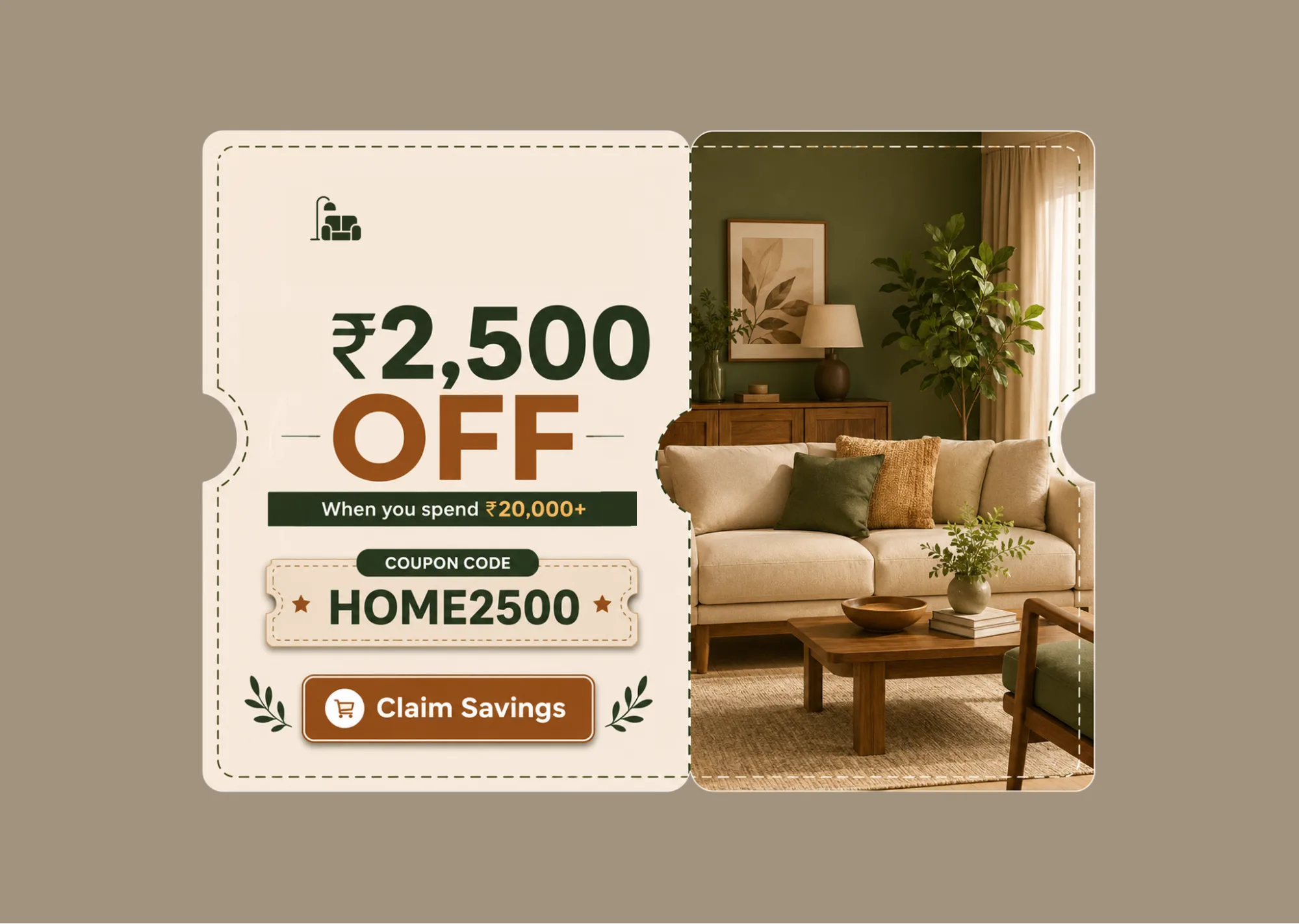
A fixed-value coupon can sometimes communicate savings more clearly than a percentage discount, particularly when customers are making a higher-value purchase.
Consider these two offers:
10% Off Your Order
and
₹500 Off Orders Above ₹5,000
The mathematical value may be similar, but the way the offers are perceived can be quite different. The fixed amount immediately tells the customer how much money they can save.
This makes fixed-value coupons useful for categories such as electronics, furniture, premium fashion, and other products where the average order value is relatively high.
They can also be combined with a minimum purchase requirement to encourage customers to spend more. For example:
Get ₹750 Off When You Spend ₹4,000 or More
A shopper who is already close to ₹4,000 may decide to add another product rather than miss the saving. The coupon therefore serves two purposes: it gives the customer a clear benefit while encouraging a larger order.
For WooCommerce stores focused on increasing revenue per transaction, fixed amount discounts can be a practical option when the offer is structured around a sensible minimum purchase value.
6. The Flash Sale Coupon
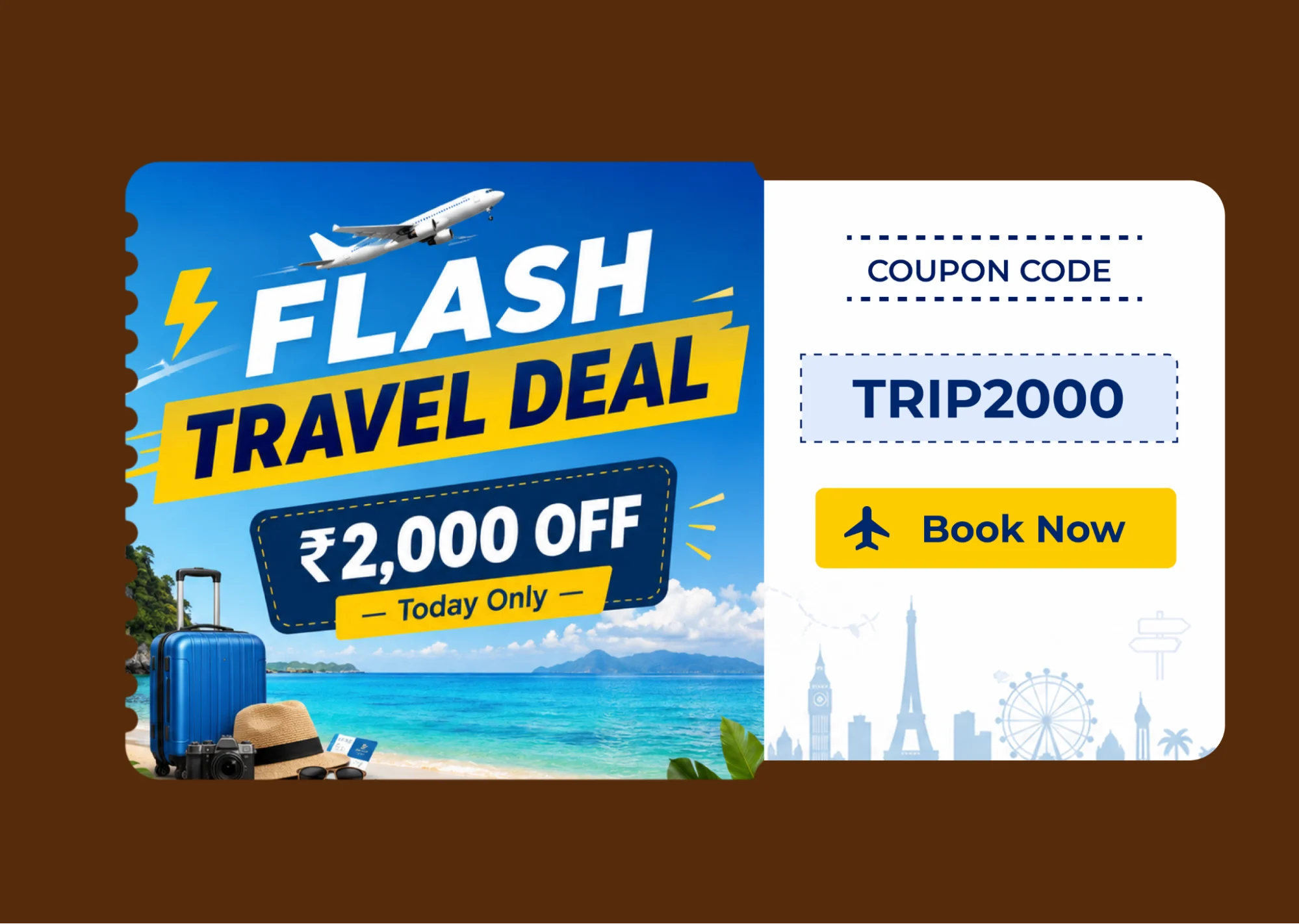
Sometimes the problem isn’t that the customer needs a bigger discount. They simply need a reason to stop postponing the purchase.
That’s where a flash sale coupon can be useful. It combines a discount with a genuine, clearly defined deadline, giving customers a reason to make their decision within a limited period.
For example:
Get 20% Off Today Only
A shopper who was planning to come back later now has to consider whether waiting is worth losing the current offer. The decision changes from simply asking, “Do I want this?” to also asking, “Do I want to miss this opportunity?”
This approach can work particularly well for online shoppers who tend to compare products, postpone decisions, or leave items for later. A clear expiration date can give them the additional motivation needed to act.
However, the deadline needs to be genuine. If a promotion repeatedly claims to end “today” and then appears again the next morning with the same offer, customers may begin to question the credibility of the campaign.
Real urgency can encourage action. Artificial urgency can damage trust.
7. The Exit-Intent Coupon

Not every visitor who leaves an ecommerce store has decided against buying. Sometimes they are simply comparing prices, checking another website, or putting off the decision until later. The problem is that many of those visitors may never return.
An exit-intent coupon gives the store one final opportunity to engage them before they leave.
For example, an exit-intent popup could display:
Wait! Here’s 10% Off Before You Go
The timing makes the offer different from a regular promotional popup. Instead of interrupting the visitor while they are browsing, the offer appears when they are already showing signs of leaving the website.
For WooCommerce stores, this strategy can also be combined with lead generation. Rather than immediately revealing the coupon code, the popup can ask the visitor for their email address in exchange for the offer.
That means the campaign can still create value even when the visitor doesn’t purchase immediately. The business has captured a lead that can potentially be used for future email campaigns and follow-up promotions.
An exit-intent coupon is therefore particularly useful when the goal is to make one final attempt to recover a visitor without displaying the same offer to everyone who visits the store.
8. The Cart Recovery Coupon
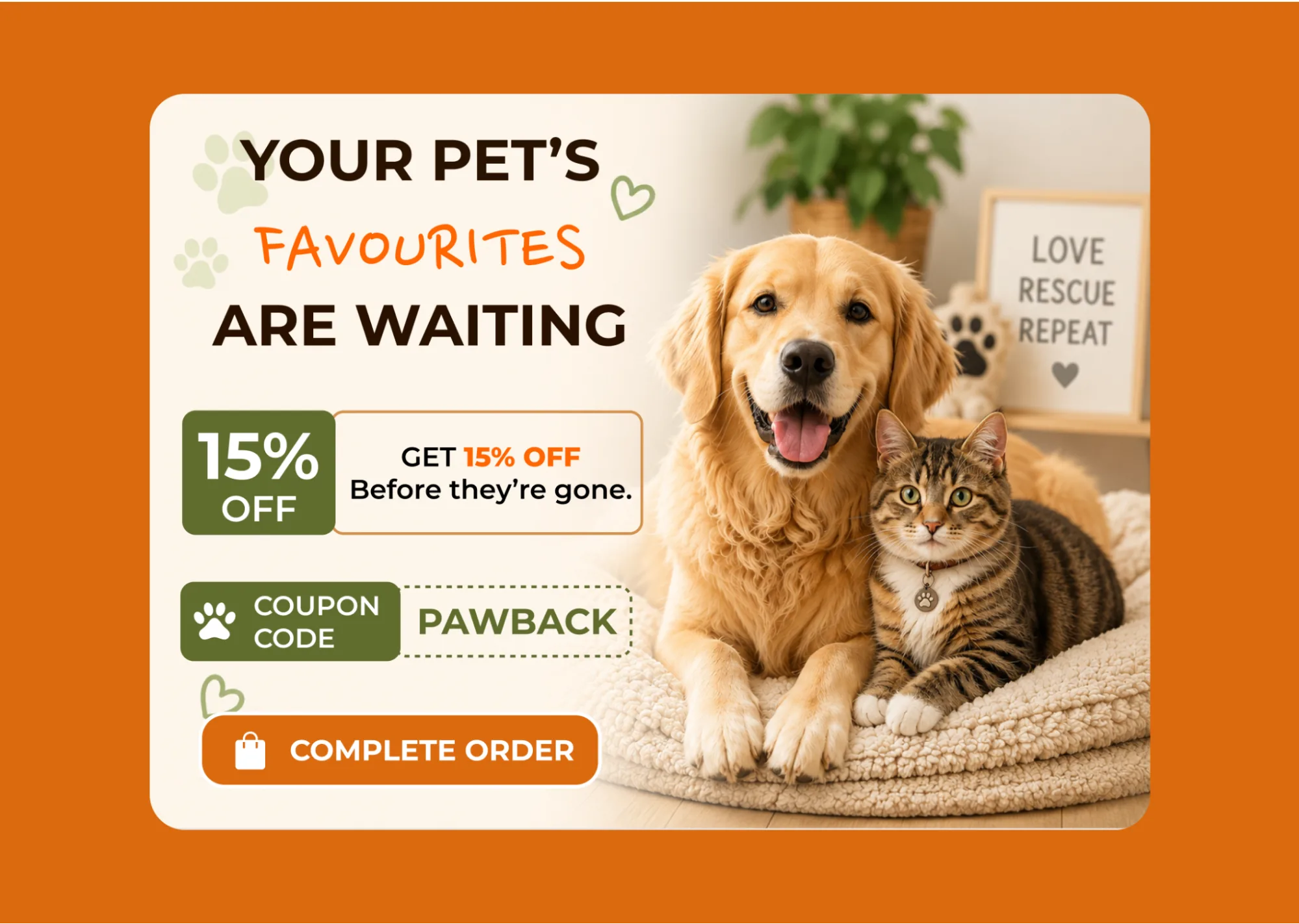
Cart abandonment is one of the frustrating realities of running an ecommerce store. A customer may browse several products, add items to their cart, begin the checkout process, and then leave without completing the order.
The important difference with these shoppers is that they have already shown buying intent. They aren’t completely new visitors who are still discovering the brand. They have selected products and taken several steps toward making a purchase.
A cart recovery coupon can give them an additional reason to finish what they started.
For example:
Complete Your Order Today and Save 10%
A modest incentive may be enough to bring a customer back when they were already close to completing the purchase.
Cart recovery campaigns can be delivered through different channels, including exit-intent popups, email reminders, and SMS notifications. The approach can also be adapted based on where the customer left the buying process.
The bigger advantage is that you’re working with traffic that has already reached your store and demonstrated interest. Instead of spending more money simply to attract another visitor, the campaign attempts to recover a potential sale that was already in progress.
9. The Product Launch Coupon
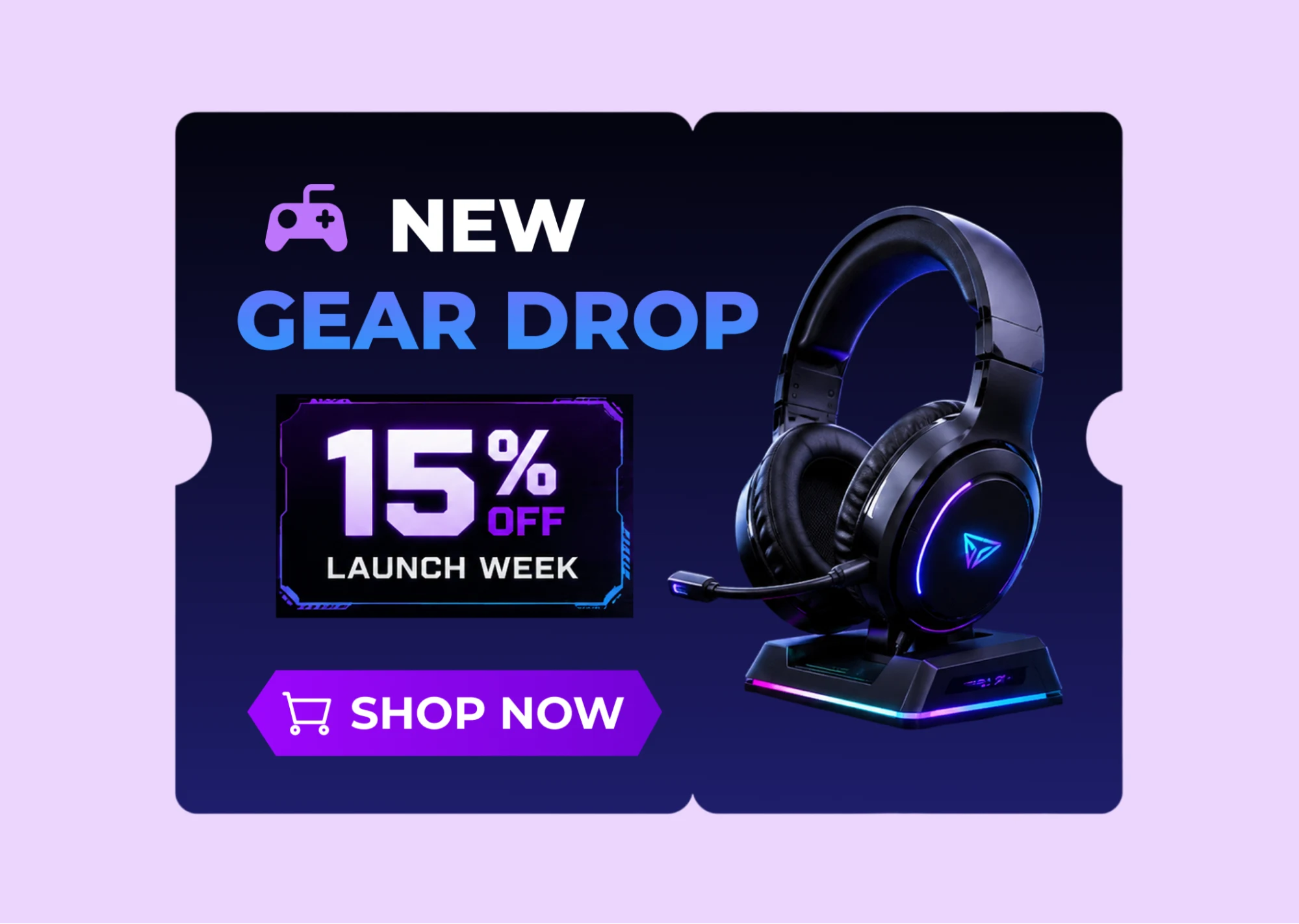
A new product doesn’t automatically get attention simply because it has been added to the store. Customers are already surrounded by product choices, and a new item can easily get lost among everything else on the website.
A launch coupon gives customers a reason to take a closer look and provides an incentive for early purchases.
For example:
NEW20 – Get 20% Off Our Latest Collection This Week Only
The offer combines the excitement of something new with a clear benefit for customers who act during the launch period.
This can work particularly well for fashion stores introducing a new collection, brands releasing seasonal products, or businesses launching limited-edition items. Instead of asking customers to simply notice the new product, the campaign gives them a reason to explore it now rather than postponing the decision.
Product launch coupons can also help generate early customer feedback and reviews. The objective isn’t always to maximize profit from the first few sales. In some cases, the initial campaign is about creating awareness, generating momentum, and getting customers to experience the new product.
For WooCommerce stores that regularly introduce new products or collections, a launch coupon can therefore become part of the product launch strategy rather than simply another store-wide discount.
10. The Seasonal Coupon

Customer buying habits change throughout the year. Summer, back-to-school periods, festive seasons, and year-end shopping all create different opportunities for ecommerce stores.
Instead of waiting until these periods arrive, businesses can plan coupon campaigns around the buying patterns their customers already follow.
For example, a store could run offers such as:
Summer Sale – 15% Off Selected Products
Back-to-School Offer – Save ₹500 on Essentials
Winter Collection Launch – Exclusive Subscriber Discount
These offers feel more relevant than a generic discount because they are connected to something customers are already thinking about. Someone shopping for summer clothing is naturally more receptive to a summer promotion, just as a parent preparing for a new school year may be actively looking for savings on school essentials.
Seasonal coupons also have a natural time limit. A summer promotion doesn’t need to remain available indefinitely, and a back-to-school offer has a clear period in which it makes sense. This gives customers a genuine reason to act before the opportunity passes.
For WooCommerce stores, planning these campaigns ahead of time can make seasonal promotions more consistent and give the business a clear promotional calendar rather than relying on last-minute discounts.
11. The Holiday Coupon
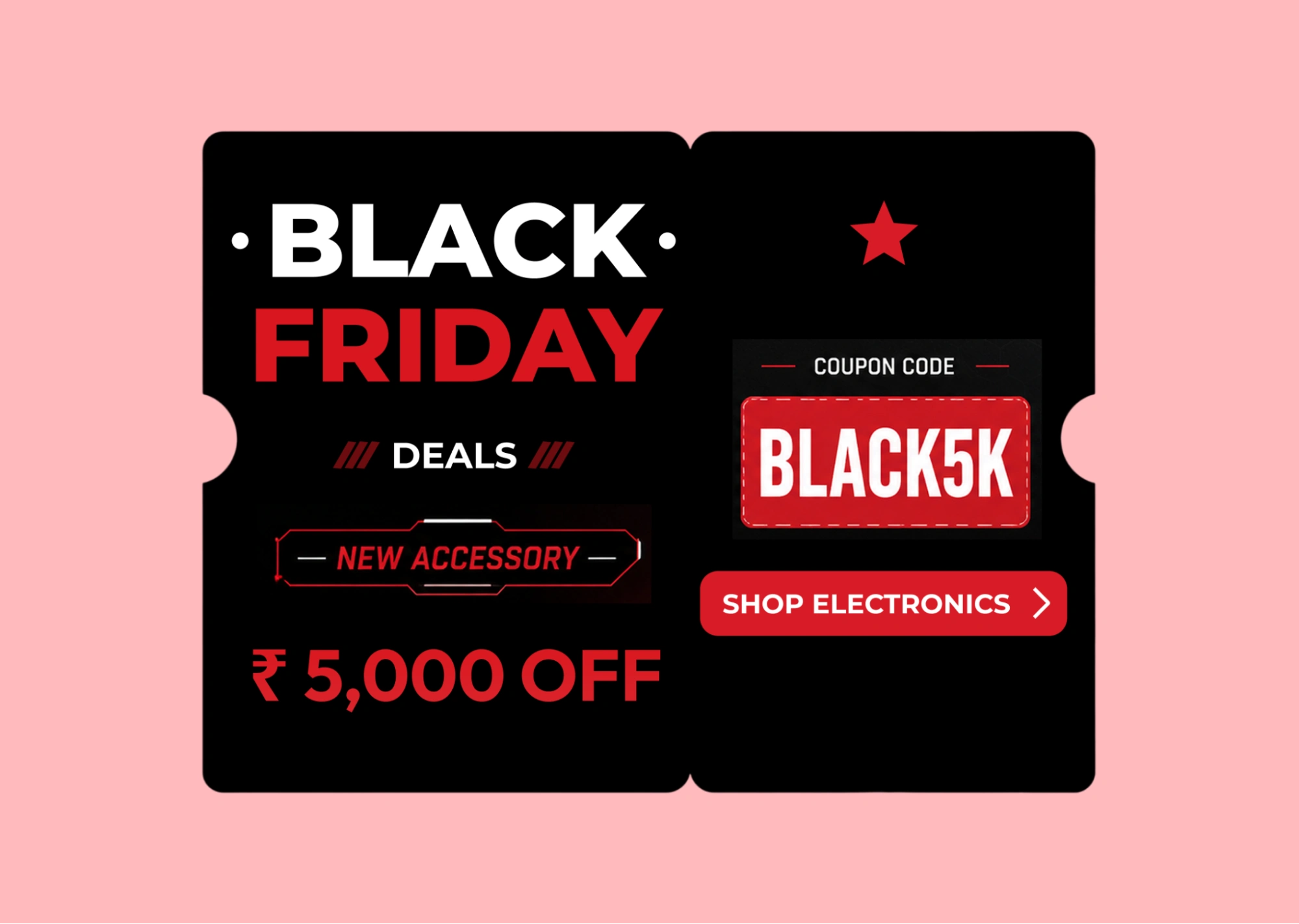
Holiday coupons are similar to seasonal promotions, but they are tied to specific events that can create a concentrated period of shopping activity.
Common examples include:
- New Year
- Valentine’s Day
- Diwali
- Christmas
- Black Friday
- Cyber Monday
During these periods, customers are already thinking about shopping and looking for offers. Some may even postpone purchases because they expect holiday promotions to appear.
A simple campaign can give them a clear reason to choose your store. For example:
DIWALI25 – Enjoy 25% Off During Our Diwali Celebration
Or:
HOLIDAY2026 – Exclusive Christmas Savings This Week
The coupon works best when it is supported by clear campaign messaging and a genuine deadline. Customers already have a reason to shop during the holiday period; the promotion gives them an additional reason to choose your store rather than another business.
At the same time, holiday promotions should not become an excuse for constant discounting. If every occasion is treated as a major sale, the individual campaigns can start to lose their sense of exclusivity. The stronger approach is to make important holiday offers feel genuinely special because they are limited to specific occasions.
12. The Referral Coupon
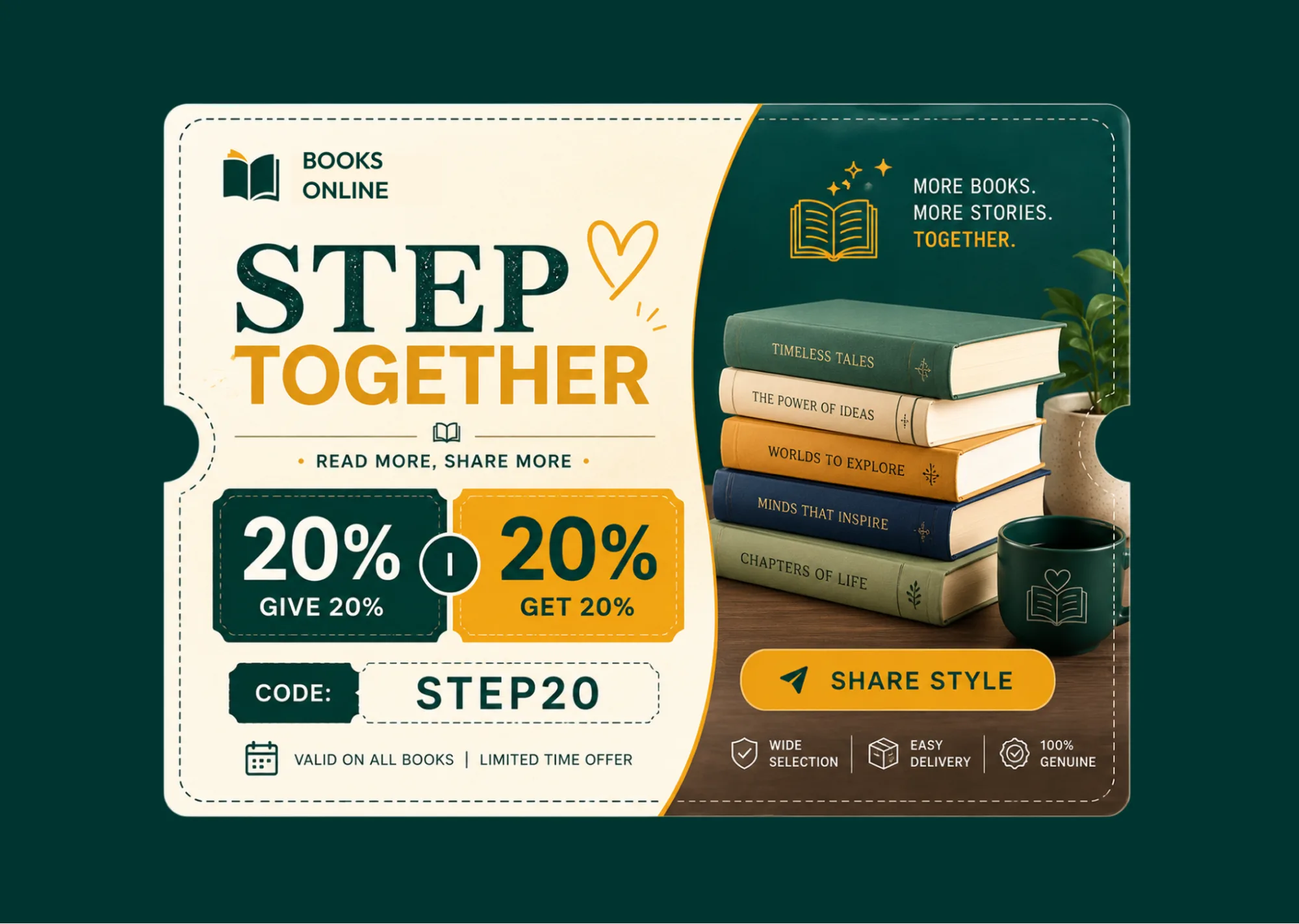
Existing customers can be one of the most valuable sources of new business. When someone recommends a store to a friend or family member, the recommendation often carries more trust than a traditional advertisement.
Referral coupons build on that behavior by giving both sides a reason to participate.
A simple example is:
Give 10%, Get 10%
The new customer receives a discount on their first purchase, while the existing customer who made the referral receives a reward as well. The offer creates a straightforward exchange: the new shopper gets a reason to try the store, and the existing customer gets something in return for introducing someone new.
This makes referral coupons useful for both customer acquisition and retention. The business isn’t relying entirely on paid advertising to find new shoppers, while existing customers have an additional reason to remain engaged with the brand.
The strategy works particularly well when the reward feels worthwhile without making the referral process complicated. Customers should understand what they receive, what their friend receives, and what they need to do to qualify.
For ecommerce stores looking for ways to grow through their existing customer base, referral coupons can become a useful long-term part of the marketing strategy.
13. The VIP Customer Coupon

Not every customer has the same relationship with a store. Some people make one purchase and never return, while others continue buying, recommend the brand to others, and become regular customers over time.
VIP coupons are designed to recognize those customers and give them a reason to continue that relationship.
For example:
VIP20 – Exclusive 20% Off for Our Best Customers
The discount itself is important, but the sense of recognition can be just as valuable. Customers who have purchased repeatedly may appreciate knowing that the business recognizes their loyalty rather than treating them exactly like a first-time visitor.
A VIP program can also include benefits beyond discounts, such as early access to new products, members-only promotions, or invitations to special events.
The idea is to create a reason for loyal customers to remain engaged with the brand. Instead of focusing all marketing efforts on acquiring new shoppers, the business also invests in people who have already demonstrated that they trust its products.
For ecommerce stores with an established customer base, VIP coupons can therefore become part of a broader retention strategy rather than being used as another general discount available to everyone.
14. The Bundle Discount Coupon
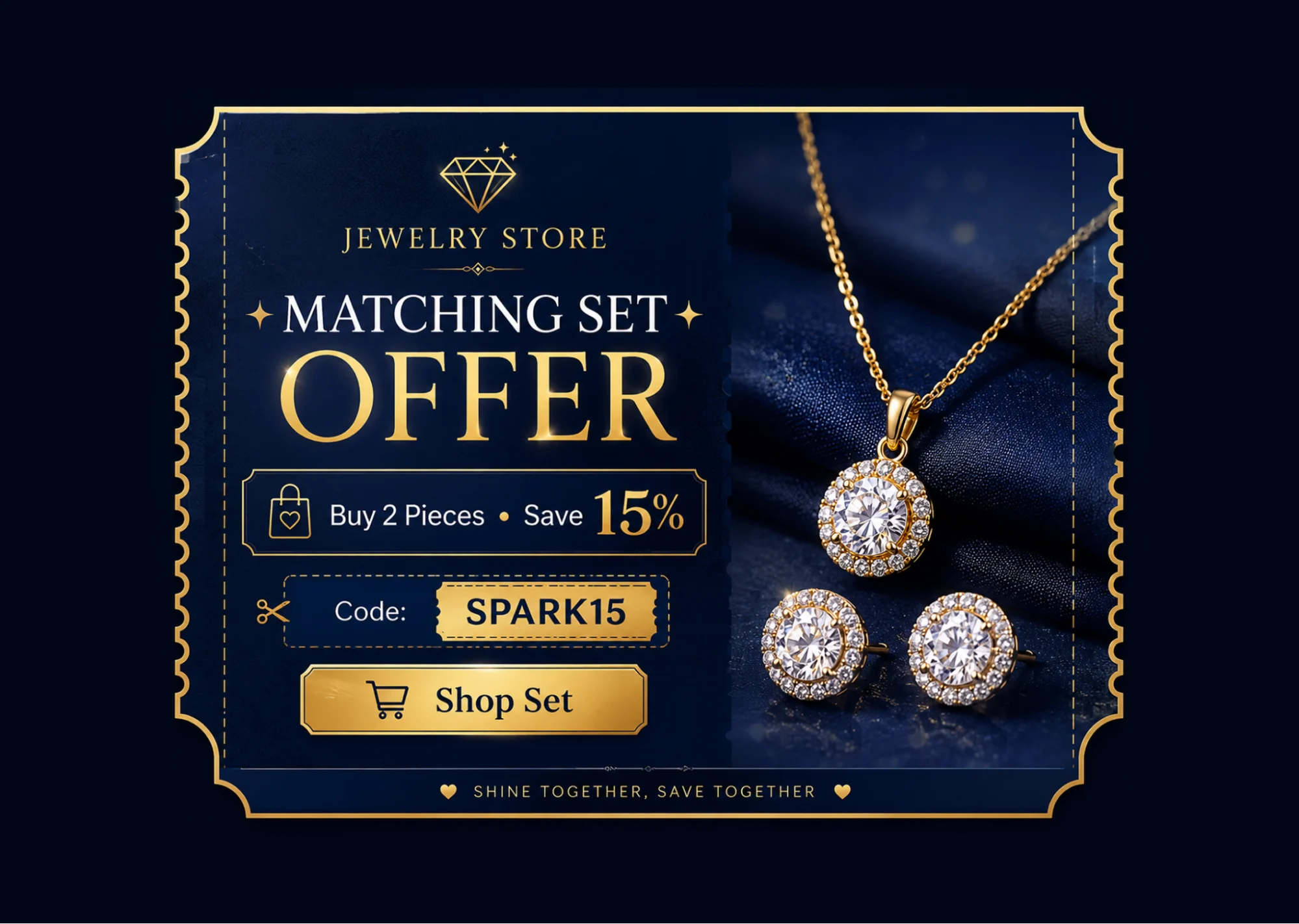
Getting more visitors to a store can be expensive, so increasing the value of orders from customers who are already shopping can be an attractive alternative.
Bundle discounts are designed around that idea. Rather than encouraging customers to buy one product, the promotion gives them an incentive to purchase several related products together.
For example:
Buy Any 3 Products and Save 15%
Or:
Complete Your Bundle and Get ₹1,000 Off
A good bundle should make sense from the customer’s perspective. The products should complement one another or solve a related need rather than simply being grouped together because the store wants to sell more items.
Consider someone purchasing a camera. A relevant bundle could include a memory card, camera bag, and tripod. The customer gets the convenience of purchasing products they may need anyway, while the store increases the value of the order.
The same approach can work across many WooCommerce stores. Clothing brands can bundle related items, beauty stores can combine complementary products, and electronics stores can group accessories with a main product.
The strongest bundle promotions feel useful rather than forced. When customers can see why the products belong together, the discount becomes an added benefit instead of the only reason to buy.
15. The Category-Specific Coupon
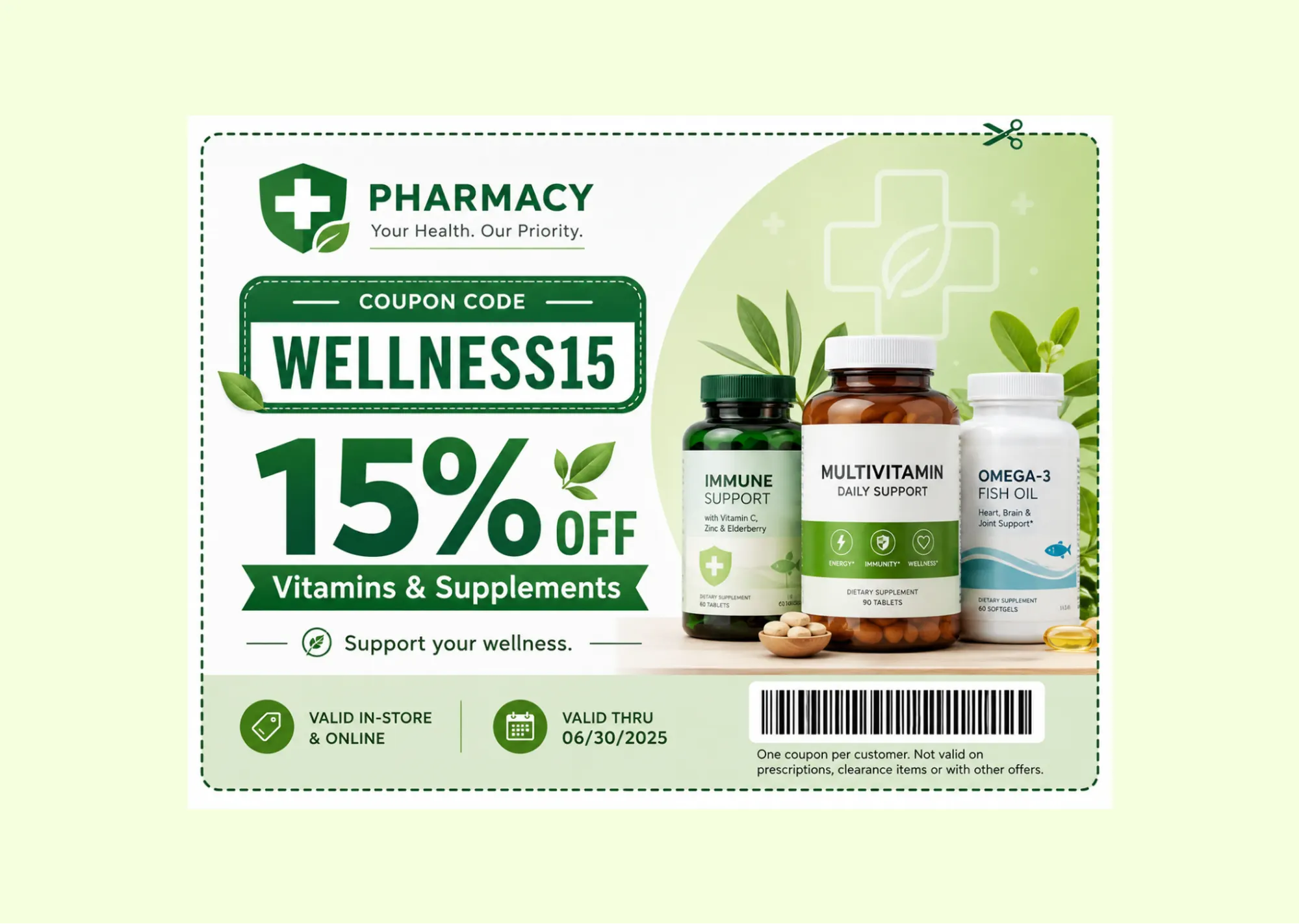
A store-wide discount is easy to understand and easy to promote, but it isn’t always the best choice. Sometimes the business has a more specific reason for running a promotion. Perhaps one product category needs more attention, a new product line needs exposure, or certain items aren’t selling as quickly as expected.
A category-specific coupon allows the store to focus the promotion where it is actually needed.
For example, imagine a WooCommerce store selling clothing, accessories, footwear, and home décor. If footwear is already performing well but accessories aren’t getting enough attention, there may be little reason to discount every product in the store.
Instead, the store could offer:
ACCESSORY15 – Get 15% Off All Accessories This Weekend
The promotion immediately tells customers what the offer applies to, while allowing the business to keep the rest of its products at their regular prices.
Category-specific coupons can be useful for promoting slower-moving inventory, supporting seasonal collections, introducing a particular product line, or testing demand for a newer category. They also give businesses more control over where discounts are applied.
From the customer’s perspective, the offer can feel more relevant than another generic store-wide sale. Rather than seeing a discount that applies to everything, they see a promotion connected to the products they may actually be interested in.
For stores that want to be more selective with discounting, category-specific coupons provide a practical way to focus promotional activity without reducing prices across the entire catalog.
16. The Birthday Coupon
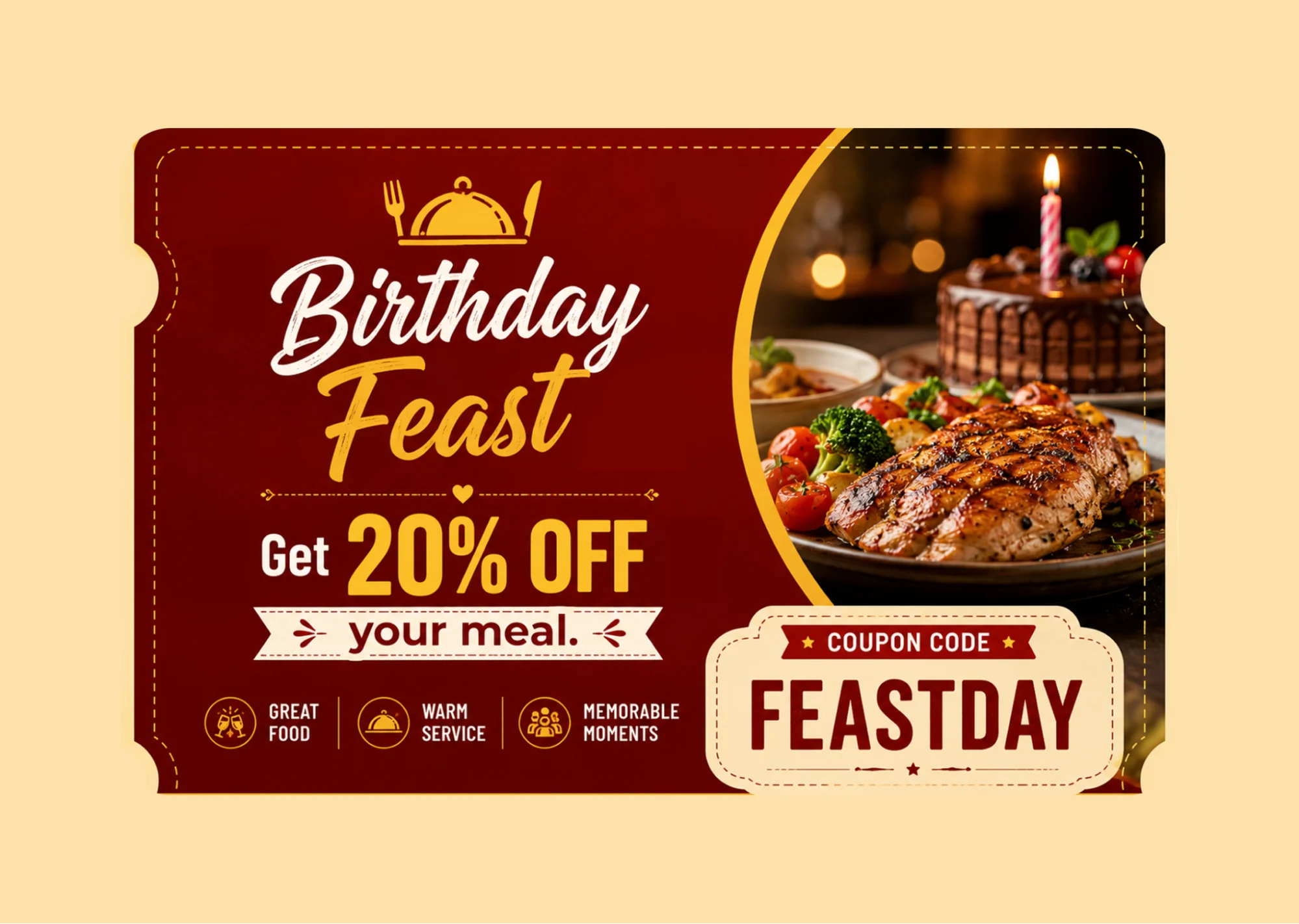
Birthday promotions have a different feel from most ecommerce discounts. Customers already expect to see offers around holidays and seasonal events, but receiving a personal offer on their birthday can feel more like recognition than a standard marketing campaign.
For example:
Happy Birthday! Enjoy 20% Off Your Next Order
The offer gives the customer a reason to make another purchase while also creating a more personal interaction with the brand.
Businesses can collect customers’ birth dates during account registration or through email preference forms and use that information to send a birthday offer when the date arrives. The campaign can be automated once the necessary customer information has been collected.
The timing also helps. Customers are often already in a celebratory mood around their birthday, making them more receptive to treating themselves or purchasing something they had been considering.
For the business, the value isn’t limited to the immediate sale. A thoughtful birthday campaign can reinforce the relationship with an existing customer and make the brand feel more attentive.
That makes birthday coupons particularly useful as part of a broader retention strategy. Rather than waiting for customers to return on their own, the business has a natural opportunity each year to reconnect with them and give them a reason to shop again.
17. The Spend-and-Save Coupon
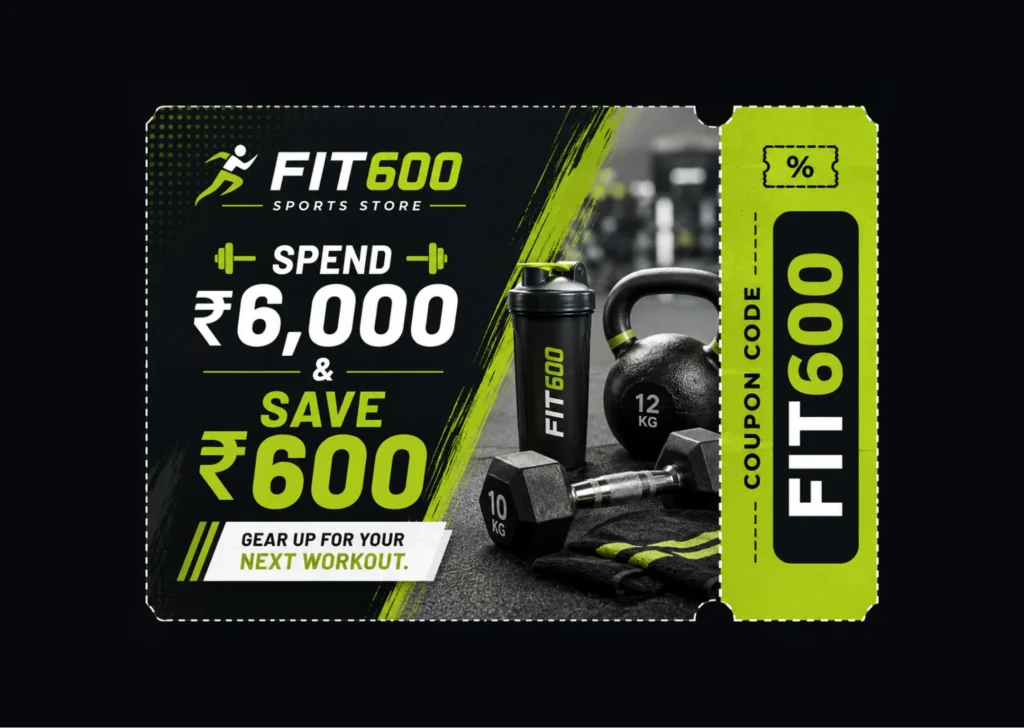
Not every coupon needs to encourage a customer to buy a particular product. Sometimes the more useful goal is to increase the total value of the order.
That’s where spend-and-save offers come in. Instead of giving customers a discount immediately, the promotion gives them an incentive to reach a particular spending threshold.
For example:
Spend ₹3,000 and Save ₹300
Or:
Spend ₹5,000 and Get ₹750 Off
The offer becomes more interesting when a customer is already close to the required amount. Imagine a shopper with ₹2,600 worth of products in their cart. They are only ₹400 away from unlocking the ₹300 saving.
At that point, adding another product may feel more attractive than checking out immediately. The customer gets additional value, while the store increases the overall order value.
This is one of the useful aspects of spend-and-save promotions: the customer doesn’t simply see the discount as money being taken off the purchase. They may see it as an opportunity to get more value from an order they were already planning to place.
The strategy can work particularly well for WooCommerce stores where products naturally complement one another or where customers have a reasonable opportunity to add another item to their cart.
The key is setting the threshold at a level that feels achievable. If customers are regularly far below the minimum spend, the offer may have little influence on their behavior. But when the threshold is within reasonable reach, the promotion can give shoppers a practical reason to increase their order.
18. The Email Signup Coupon
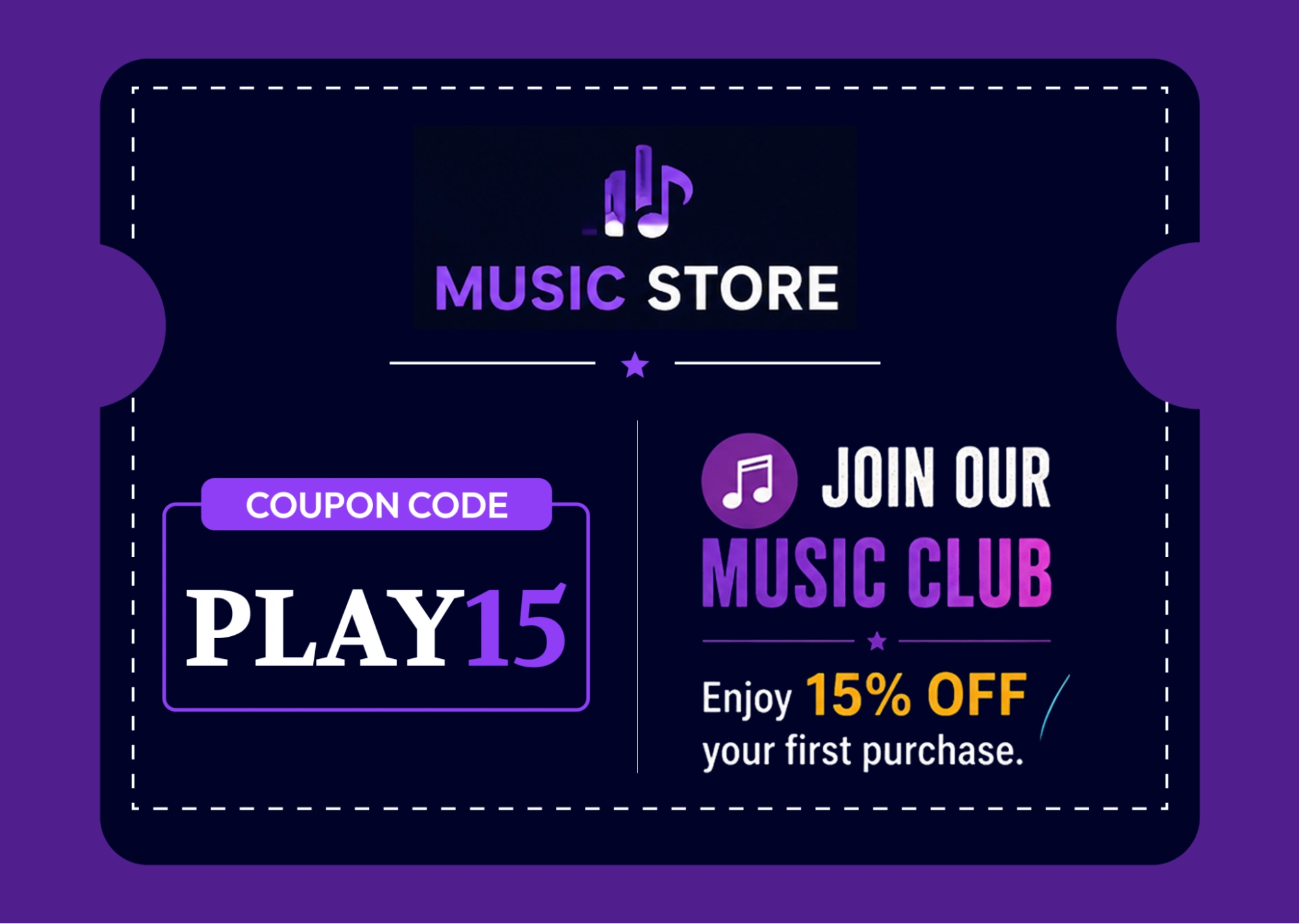
An email list gives an ecommerce business a way to stay connected with customers and visitors beyond their current website session. While social media reach, advertising costs, and search visibility can change over time, an email list gives the business a direct channel for future communication.
The challenge is getting visitors to actually subscribe.
A simple coupon can make that exchange more appealing:
Subscribe and Get 10% Off Your First Order
Instead of asking visitors to join a newsletter without offering anything in return, the business gives them an immediate benefit for signing up. The customer receives a discount, while the store gains a subscriber who can receive future product updates, recommendations, and promotional campaigns.
The important part is that the coupon doesn’t have to result in an immediate sale to be useful. A visitor may sign up, take the coupon, and leave without buying. The business can still continue the relationship through its email marketing.
For WooCommerce stores, these offers can be presented through welcome popups, scroll-triggered campaigns, or exit-intent popups, depending on how the business wants to approach visitors.
A good signup coupon should make the value exchange obvious. The customer should understand what they receive and what they need to do to get it without having to work through complicated conditions.
When done well, an email signup coupon serves two purposes at once: it gives visitors a reason to engage with the store now and creates an opportunity for the business to continue the conversation later.
19. The Subscriber-Only Coupon

Customers often like the feeling that they are receiving something that isn’t available to everyone. That sense of exclusivity can be especially useful when building an email community.
Instead of making a discount available to every visitor, a store can reserve certain promotions for subscribers.
For example:
Subscribers Get Early Access to Our 25% Off Sale
Or:
Exclusive Coupon Inside Today’s Email
The offer gives visitors another reason to join the email list because subscribing provides access to something they cannot get simply by browsing the store.
It also gives existing subscribers a reason to remain engaged. If customers know that useful offers, early access, or special promotions are occasionally shared through email, they have more reason to pay attention to future messages.
For ecommerce stores, this can be a useful way to create a distinction between general website visitors and subscribers without constantly offering discounts to everyone. The business can reward its email audience while keeping promotional campaigns more targeted.
Subscriber-only coupons can also work particularly well when combined with product launches or major sales. For example, subscribers could receive access to a 25% Off promotion before the general public sees it.
The important part is maintaining the sense of exclusivity. If the exact same offer is immediately available to everyone, the benefit of being a subscriber becomes less meaningful.
20. The Mystery Coupon
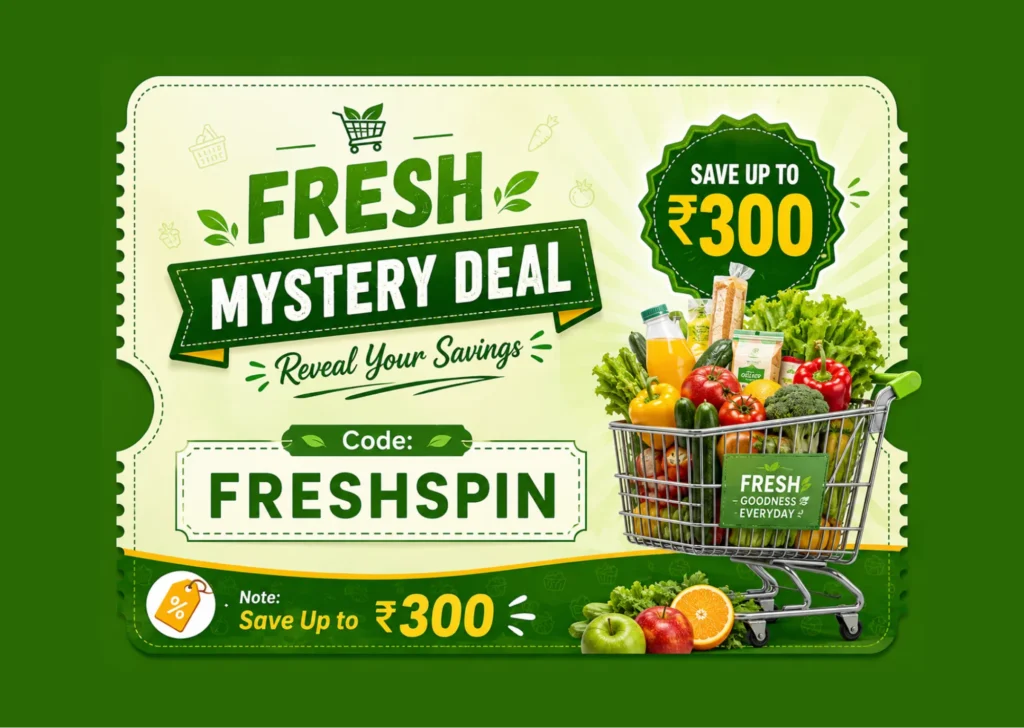
Not every promotional campaign needs to reveal the discount immediately. Sometimes the curiosity surrounding an offer can be enough to make visitors interact with it.
Mystery coupons use that curiosity by keeping the exact reward hidden until the customer takes action.
For example:
Unlock Your Surprise Discount
Or:
Spin the Wheel to Reveal Your Offer
Depending on the campaign, the customer might receive:
- 5% Off
- 10% Off
- 15% Off
- Free Shipping
- Bonus Gifts
The appeal comes from not knowing exactly what is behind the offer. Customers want to discover what they have received, which can make the interaction more engaging than simply displaying another percentage discount.
Mystery coupons can be particularly useful for lead generation, exit-intent campaigns, seasonal promotions, and subscriber acquisition. A store could ask visitors to enter their email address before revealing the reward, for example, turning the promotional interaction into an opportunity to build its email list.
There is an important balance, though. The rewards need to feel worthwhile. If customers repeatedly interact with mystery campaigns only to receive insignificant offers, the experience can quickly lose its appeal.
Used thoughtfully, a mystery coupon can make a promotion more interactive while giving customers a reason to engage with the store rather than simply scrolling past another discount message.
How to Promote Coupons Effectively With Popups
Creating a good coupon is only part of the job. Customers also need to see the offer at a point when it makes sense to them. A discount hidden on a page that receives little traffic may never get noticed, even if the offer itself is attractive.
This is where popups can be useful. When they are targeted properly, popups allow ecommerce stores to present a coupon based on what a visitor is doing rather than displaying the same promotion to everyone.
Welcome Discount Popups
A welcome popup is a natural way to introduce a first-order offer to someone visiting the store for the first time.
For example:
Get 10% Off Your First Order
The visitor immediately understands the benefit, while the store has an opportunity to encourage both engagement and email signup. This approach works particularly well when the coupon is intended specifically for new customers rather than existing buyers.
Exit-Intent Coupon Popups
An exit-intent popup works at a different point in the customer journey. Instead of showing the offer immediately, the store waits until the visitor appears ready to leave.
The message could be:
Wait! Here’s 10% Off Before You Leave
The idea isn’t to interrupt someone who is actively browsing. It is to make one final attempt to engage a visitor who may otherwise leave without taking any action.
Cart Recovery Popups
Visitors who have already added products to their cart are showing stronger buying intent than someone who has only viewed a product.
A targeted popup can remind them about the products they were considering while providing a relevant incentive, such as free shipping or a small discount. This can be particularly useful when the shopper appears hesitant but has already invested time in the buying process.
Scroll-Based Coupon Campaigns
Not every visitor should see a coupon as soon as they arrive. Someone who spends time reading a product guide, buying guide, or blog post has already demonstrated a certain level of interest.
A scroll-based campaign can introduce the offer after the visitor has consumed part of the content. For example, a store could display a coupon after someone has read a significant portion of a buying guide rather than placing the promotion immediately at the top of the page.
The broader principle is relevance. A popup doesn’t need to be aggressive to be effective. It needs to appear at a moment when the offer makes sense for the visitor.
A well-timed Get 10% Off Your First Order popup can be useful for a new visitor, while Wait! Here’s 10% Off Before You Leave makes more sense for someone preparing to exit. Matching the message and timing to the visitor’s behavior creates a more useful promotional experience than showing the same coupon to everyone.
Common Coupon Mistakes That Hurt Sales
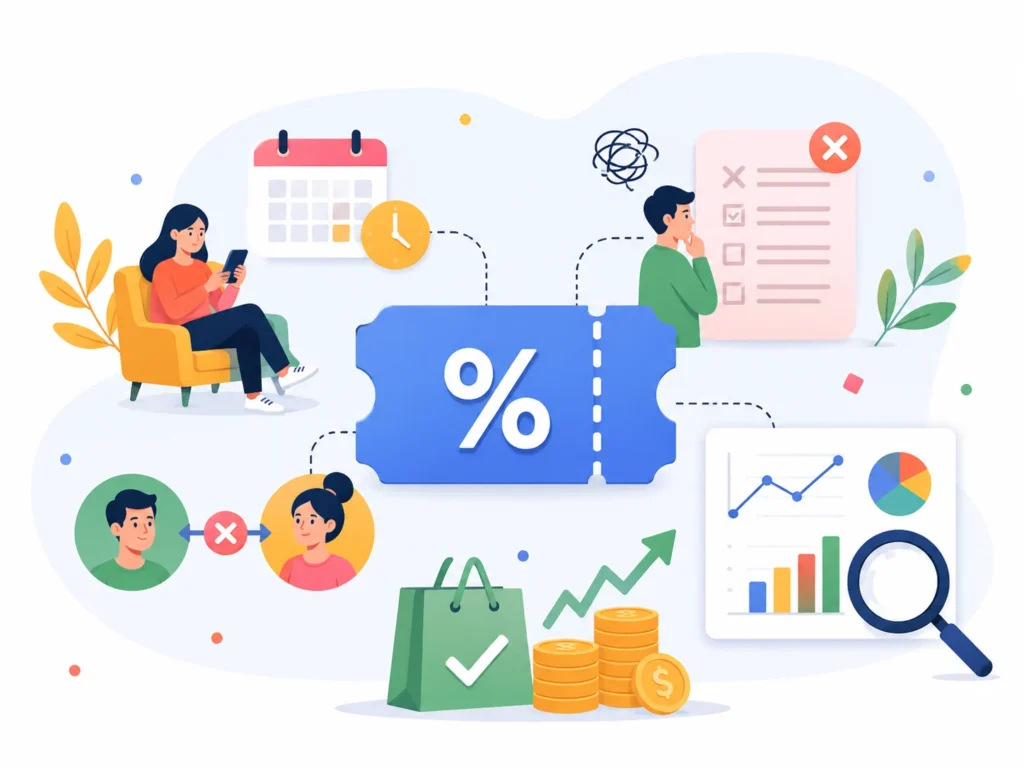
Coupons can be useful for increasing sales, but a discount isn’t automatically profitable just because it generates orders. When promotions are poorly planned, they can reduce margins, train customers to wait for sales, or simply fail to influence the people who see them.
One of the most common mistakes is offering discounts too frequently. If customers know that another sale is likely to appear next week, they may have little reason to purchase at the regular price today. Over time, this can create a pattern where shoppers deliberately wait for the next promotion instead of buying when they actually need the product.
The offer itself can also become a problem when the rules are too complicated. Customers should be able to understand what they are getting, how much they need to spend, and when the coupon expires without having to read through several paragraphs of conditions. A promotion that requires too much explanation can lose its appeal before the customer even tries to use it.
Another mistake is showing the wrong coupon to the wrong audience. A first-order discount has limited relevance to someone who has already purchased from the store several times. Likewise, a VIP coupon doesn’t make much sense for someone who has just discovered the brand. Matching the promotion to the customer’s situation is often more important than simply increasing the size of the discount.
Businesses also need to pay attention to what happens after a coupon campaign is launched. A promotion shouldn’t be judged only by how many times the code was used. It’s worth looking at whether sales increased, whether average order value changed, whether the campaign brought in new customers, and whether the additional revenue justified the cost of the discount.
For example, a Spend ₹3,000 and Save ₹300 campaign may generate fewer coupon redemptions than a simple 20% store-wide sale, but if it produces larger orders while protecting margins, it may be the more useful campaign.
The same principle applies to popup campaigns. An exit-intent offer such as Wait! Here’s 10% Off Before You Go should be evaluated based on whether it actually recovers otherwise-lost customers, not simply how many visitors saw the popup.
Ultimately, coupon marketing works best when businesses learn from the results of each campaign. Rather than assuming that the biggest discount will always produce the best outcome, use actual performance data to understand which offers attract the right customers, encourage valuable actions, and remain profitable.
Final Thoughts
Coupons aren’t simply about giving customers a lower price. The most useful coupon campaigns are designed around a specific customer behavior and give shoppers a practical reason to take the next step.
Sometimes that means encouraging a first purchase with Get 10% Off Your First Order. In another situation, Free Shipping on Orders Above ₹2,500 may be more effective because shipping is the main hesitation. A store trying to increase order value might use Spend ₹3,000 and Save ₹300, while a business recovering abandoned carts could use Complete Your Order Today and Save 10%.
The examples throughout this guide show why there isn’t a single coupon strategy that works for every ecommerce store. A free shipping offer may be more useful than a 20% discount in one situation, while a subscriber-only promotion or a cart recovery coupon may produce better results in another.
The key is to start with the behavior you want to encourage and then choose the incentive that supports it. Once you understand that, it becomes much easier to decide who should receive the offer, when they should see it, and what the promotion should look like.
When these offers are combined with well-timed popup campaigns, they can create more opportunities to turn visitors into subscribers, subscribers into customers, and existing customers into repeat buyers.
That is the real purpose of coupon marketing: not simply reducing prices, but creating a more relevant reason for the right customer to act at the right moment.
Frequently Asked Questions
Yes. Coupons continue to be useful because they give customers an additional reason to take action when they are uncertain about a purchase. Their effectiveness depends on how well the offer matches the customer’s situation and the objective of the campaign.
A first-order offer, for example, serves a different purpose from a cart recovery coupon or a subscriber-only promotion. The strategy matters as much as the discount itself.
There isn’t one coupon that will work best for every ecommerce store. A first-order discount may be useful for acquiring new customers, while free shipping can address shipping-related hesitation. Cart recovery coupons can help re-engage shoppers who have already shown buying intent, and email signup offers can help build a longer-term audience.
The right choice depends on what you are trying to achieve with the campaign.
There is no universal discount percentage that works for every business. The appropriate offer depends on factors such as your margins, products, customers, and the goal of the campaign.
A larger discount isn’t necessarily better. In many situations, a modest offer presented to the right customer at the right time can be more useful than a much larger discount shown to everyone.
They can be, particularly when the popup is shown at a relevant point in the customer’s journey.
Welcome popups can introduce first-order offers, exit-intent popups can give visitors one final reason to stay, and cart recovery campaigns can target shoppers who have already added products to their carts. The important factor is how the popup is targeted and timed rather than simply displaying a coupon to every visitor.
Yes. Some coupon strategies are specifically designed to encourage customers to spend more.
For example, Spend ₹3,000 and Save ₹300 gives customers a reason to increase their cart when they are close to the spending threshold. Bundle offers such as Buy Any 3 Products and Save 15% can achieve a similar result by encouraging customers to purchase several complementary products together.